Source Kitchen Toy for Cooking Play, Learning, and Promotion
Compare 30 kitchen toy options from Guangdong suppliers featuring OEM customization and safety certifications. Buyers can evaluate models like JHBB0348 and KSL800046 for wholesale pricing and packaging details.
Key considerations
Products List







Comprehensive Sourcing Guide
Strategic Sourcing Guide for Kitchen-Themed Toy Procurement
Understanding Product Specifications and Variability
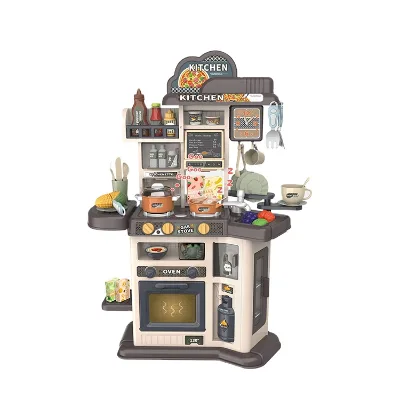
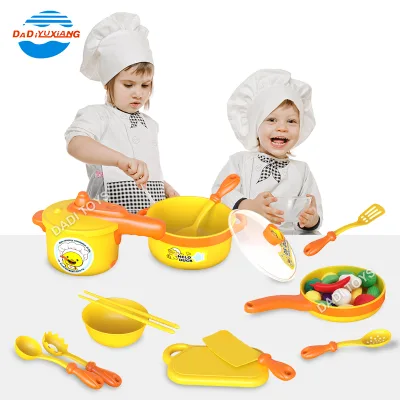
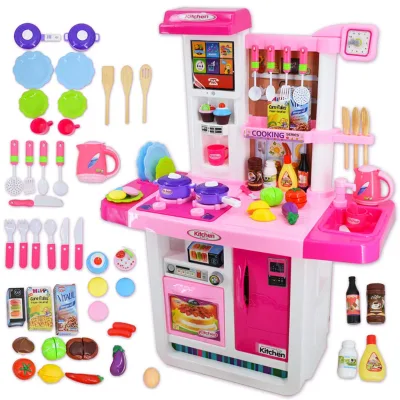
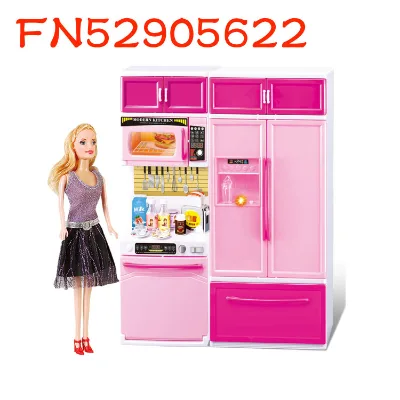
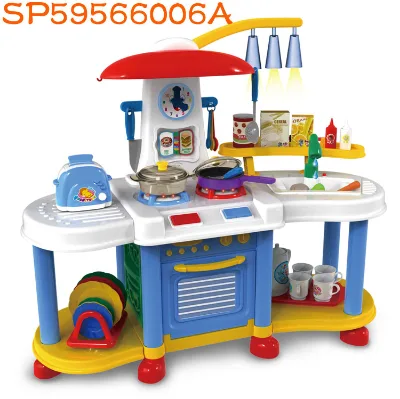
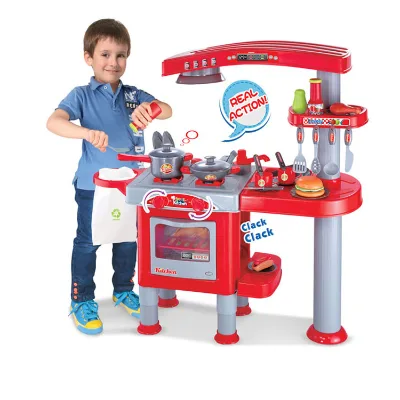
When sourcing kitchen-themed toys, buyers must first navigate the significant variability in technical specifications that exist across different product lines. The core keyword "kitchen toy" encompasses a wide range of items, from small tabletop playsets to large interactive cooking stations. In the current market, observed product models such as JHBB0348, JHBB0330, and JHBB0332 demonstrate distinct physical dimensions and packaging requirements. For instance, specific models feature package sizes as compact as 179.520CM, while others, like the Kids Cooking Table Toy (KSL800046-800151), require substantially larger packaging dimensions of 6341.510.5 CM.
The packaging density is another critical specification that directly impacts logistics costs. Buyers should expect to encounter varying quantities per carton (Qty/CTN) depending on the product size and complexity. Data indicates that some units are packed at 72 PCS per carton, whereas larger, more complex items may only allow for 6 PCS per carton. This variance necessitates precise calculation of the cubic meter (CBM) per carton to optimize container loading. For example, specific listings show a Cbm/CTN of 0.185 for certain configurations, while others register at 0.183. The gross weight (G.W) and net weight (N.W) also fluctuate significantly, ranging from 24.8 KGS to 27.8 KGS for smaller units, and up to 19 KGS for others, which influences freight classification and shipping expenses.
Furthermore, the physical construction of these toys often involves specific material requirements. The primary material identified in this category is plastic, which allows for the molding of intricate kitchen utensils and appliances. However, the specific type of plastic and its durability are not explicitly defined in general listings, requiring buyers to request material safety data sheets (MSDS) during the negotiation phase. The origin of these products is predominantly Guangdong, China, a major manufacturing hub known for its plastic injection molding capabilities. Understanding these baseline specifications is the first step in ensuring that the selected product fits within the buyer's logistical and retail constraints.
Compliance and Certification Verification
Safety compliance is the most critical factor when importing toys, particularly those designed for children. The kitchen toy category falls under strict regulatory frameworks in major markets, including the European Union and the United States. Buyers must verify that suppliers possess valid certifications that align with the destination market's legal requirements. Observed product data lists specific certifications such as EN71, ASTM, 10p, and Hr4040. These acronyms refer to distinct safety standards: EN71 covers mechanical and physical properties for the European market, while ASTM F963 is the standard consumer safety specification for toys in the United States.
The presence of a certification label on a product page is an observation, not a guarantee of current validity for every unit in a shipment. Therefore, procurement teams must demand current test reports from accredited third-party laboratories. The listing also mentions "ENASTM" as a certification category, suggesting a dual-compliance capability, but this must be validated against the specific batch of goods being ordered. Additionally, the standard "10p" likely refers to phthalate limits, a crucial chemical safety requirement for plastic toys. Buyers should ensure that the supplier can provide a test report that explicitly covers the specific model number, such as JHBB0346 or KSL800046, as safety tests are often model-specific.
Beyond physical safety, chemical safety is paramount. The "10p" and "Hr4040" references imply adherence to strict limits on heavy metals and phthalates. Since the product material is identified as plastic, the risk of chemical leaching is a primary concern. Buyers should not rely solely on the supplier's claim of compliance. Instead, they must include a clause in the purchase order that mandates random third-party testing upon arrival at the destination port. This verification step protects the brand from recalls and legal liabilities. The absence of a specific certification number in a general listing should be treated as a red flag, requiring immediate clarification from the supplier before any financial commitment is made.
Cost Drivers and Pricing Dynamics
The pricing structure for kitchen toys is influenced by a complex interplay of factors, including customization, packaging, and order volume. The observed price range in the market spans from 1.35 USD to 80.5 USD, a wide disparity that reflects differences in product complexity, size, and feature sets. A small, single-item kitchen utensil will naturally fall at the lower end of this spectrum, while a large, interactive cooking table with electronic components or extensive accessories will command a premium price.
Customization is a significant cost driver in this category. Many suppliers offer OEM (Original Equipment Manufacturer) and ODM (Original Design Manufacturer) services, allowing buyers to modify product designs, colors, and packaging. The availability of "Logo Print" and "Full Color" imprinting options suggests that branding adds value but also increases the unit cost. The process of creating custom molds for unique kitchen scenes or characters, such as those depicted in "Kitchen" themed sets, involves substantial upfront tooling fees. These costs are often amortized over the order quantity, meaning that larger orders can reduce the per-unit impact of customization.
Minimum Order Quantity (MOQ) also plays a pivotal role in cost management. The observed MOQ range is extensive, starting as low as 2 units for small trials and reaching up to 3000 units for bulk production. Specific models have defined MOQs, such as 30 PCS for one configuration and 120 PCS for another. Ordering closer to the lower MOQ limits often results in a higher per-unit price due to the fixed costs of production setup and logistics. Conversely, ordering in larger quantities can unlock volume discounts. Buyers must balance the need for inventory flexibility with the economic benefits of bulk purchasing. Additionally, packaging requirements, such as "Color Box" versus "Carton Box" or "Wrap Card," affect the final cost, as more elaborate packaging materials and assembly labor increase the total price.
Typical Applications and Market Positioning
Kitchen-themed toys serve multiple functional roles in the market, extending beyond simple entertainment. The product attributes identify these items as "Funny, Intellectual Toy, Promotion," indicating their versatility in various commercial and educational contexts. As "Intellectual Toys," these products are designed to stimulate cognitive development, teaching children about cause-and-effect relationships, fine motor skills, and basic culinary concepts through play. The "Kitchen" scene setting allows for role-playing scenarios that foster social skills and imagination.
The target demographic for these toys is broad, categorized as "Unisex" or "Boys and Girls," which maximizes the potential market reach. This gender-neutral positioning is a strategic advantage for retailers aiming to stock products that appeal to a wide audience without the need for separate marketing campaigns. The "Cartoon Toy" style and "Playing Characters or Scenes" suggest that visual appeal is a key driver of sales, with bright colors and recognizable kitchen appliances attracting young consumers.
In a commercial context, these toys are frequently utilized as promotional items. The availability of "Logo Print" and "Imprint: Logo Sticker" options makes them ideal for corporate giveaways, event souvenirs, or marketing campaigns. A company might order customized kitchen playsets to distribute at a trade show or as a premium gift with a purchase. The "Service: OEM ODM Customized" attribute confirms that suppliers are equipped to produce these items for promotional use, allowing brands to integrate their identity directly into the product. This dual functionality as both a standalone retail product and a promotional tool enhances the investment value for buyers.
Supplier Evaluation and Selection Criteria
Selecting the right supplier requires a rigorous evaluation process that goes beyond price comparison. Given the origin of most products in Guangdong, China, buyers should prioritize suppliers with a proven track record in plastic toy manufacturing. The ability to provide "OEM ODM Customized" services is a strong indicator of a supplier's technical capability and flexibility. However, buyers must verify the depth of this capability by requesting samples of previous work, particularly for custom logos and color printing.
The "Customization: Available" and "Customized" attributes suggest that many suppliers are willing to adapt products, but the extent of this customization varies. Some may offer simple logo placement, while others can modify the mold entirely. Buyers should assess the supplier's lead time for custom orders, as mold creation and setup can significantly delay production. Additionally, the "Service" attribute implies a level of customer support; a reliable supplier should be responsive to inquiries regarding specifications, certifications, and shipping logistics.
Quality control is another critical evaluation metric. Buyers should inquire about the supplier's internal quality assurance processes. Do they conduct in-house testing for durability and safety? What is their defect rate? The "Certificate: En71/ASTM/10p/Hr4040" listing indicates a commitment to standards, but the supplier's history of passing these tests must be confirmed. A supplier that consistently provides valid test reports and maintains a clean compliance record is preferable to one that only claims certification without documentation. Finally, the supplier's location and logistics capabilities should be evaluated to ensure they can handle the specific packaging requirements, such as the varying "Qty/CTN" and "Carton Size" dimensions observed in the market.
Quality Control and Long-Term Procurement Considerations
Implementing a robust quality control (QC) protocol is essential for mitigating risks associated with importing kitchen toys. Given the variability in "Package Size" and "Carton Size," buyers must ensure that the packaging is robust enough to protect the products during transit. The "G.W & N.W" data highlights the weight differences between products, which can affect stacking strength and palletization. A failure in packaging integrity can lead to damaged goods, resulting in financial loss and customer dissatisfaction.
For long-term procurement, establishing a consistent relationship with a supplier is beneficial. This allows for better negotiation on pricing, more reliable lead times, and a deeper understanding of the supplier's capabilities. Buyers should consider the "MOQ Order" flexibility when planning their inventory strategy. A supplier that can accommodate both small trial orders and large volume runs provides greater agility in responding to market demand fluctuations.
Furthermore, buyers must plan for the lifecycle of the product. As regulations evolve, the "Certification" requirements may change. A supplier that stays updated with international standards and proactively informs buyers of any changes is a valuable partner. The "Material: Plastic" specification requires ongoing monitoring for any changes in material sourcing that could impact safety or environmental compliance. Finally, the "Usage" of these toys as promotional items means that the brand's reputation is directly tied to the product quality. Ensuring that every unit meets the highest standards of safety and durability is crucial for maintaining customer trust and brand equity over the long term.
FAQs
What certifications do kitchen toys typically require?
Kitchen toys typically require EN71, ASTM, 10p, and Hr4040 certifications to ensure safety. Buyers must verify current test reports from accredited labs for specific models like JHBB0348 before ordering to confirm compliance with destination market regulations.
How does customization affect the price of kitchen toys?
Customization increases unit costs due to tooling fees for molds and printing services. While OEM and ODM services allow for logo printing and design changes, larger order volumes help amortize these upfront costs to reduce the per-unit price effectively.
Which packaging dimensions are common for kitchen toy shipments?
Common packaging dimensions vary significantly, such as 17*9.5*20CM for smaller sets or 63*41.5*10.5CM for larger cooking tables. Buyers should calculate cubic meters per carton based on specific model data to optimize container loading and shipping expenses.
Can I order kitchen toys with a low minimum quantity?
Yes, minimum order quantities range from 2 to 3000 units depending on the product configuration. Specific models may require 30 or 120 pieces, so buyers should check individual model requirements to balance inventory needs with cost efficiency.
What materials are used to manufacture these kitchen toys?
These kitchen toys are primarily manufactured using plastic to allow for intricate molding of utensils and appliances. Buyers should request material safety data sheets to verify durability and ensure the plastic meets chemical safety standards for children's products.
How are kitchen toys packaged for export?
Kitchen toys are packaged in color boxes, carton boxes, or wrap cards depending on the specific model. The quantity per carton varies from 6 to 72 pieces, and buyers must confirm gross and net weights to plan logistics and freight classification accurately.